
The Bank of America's latest analysis suggested that "funflation" — the increased cost of fun — may be rising, but consumers aren't cutting back.
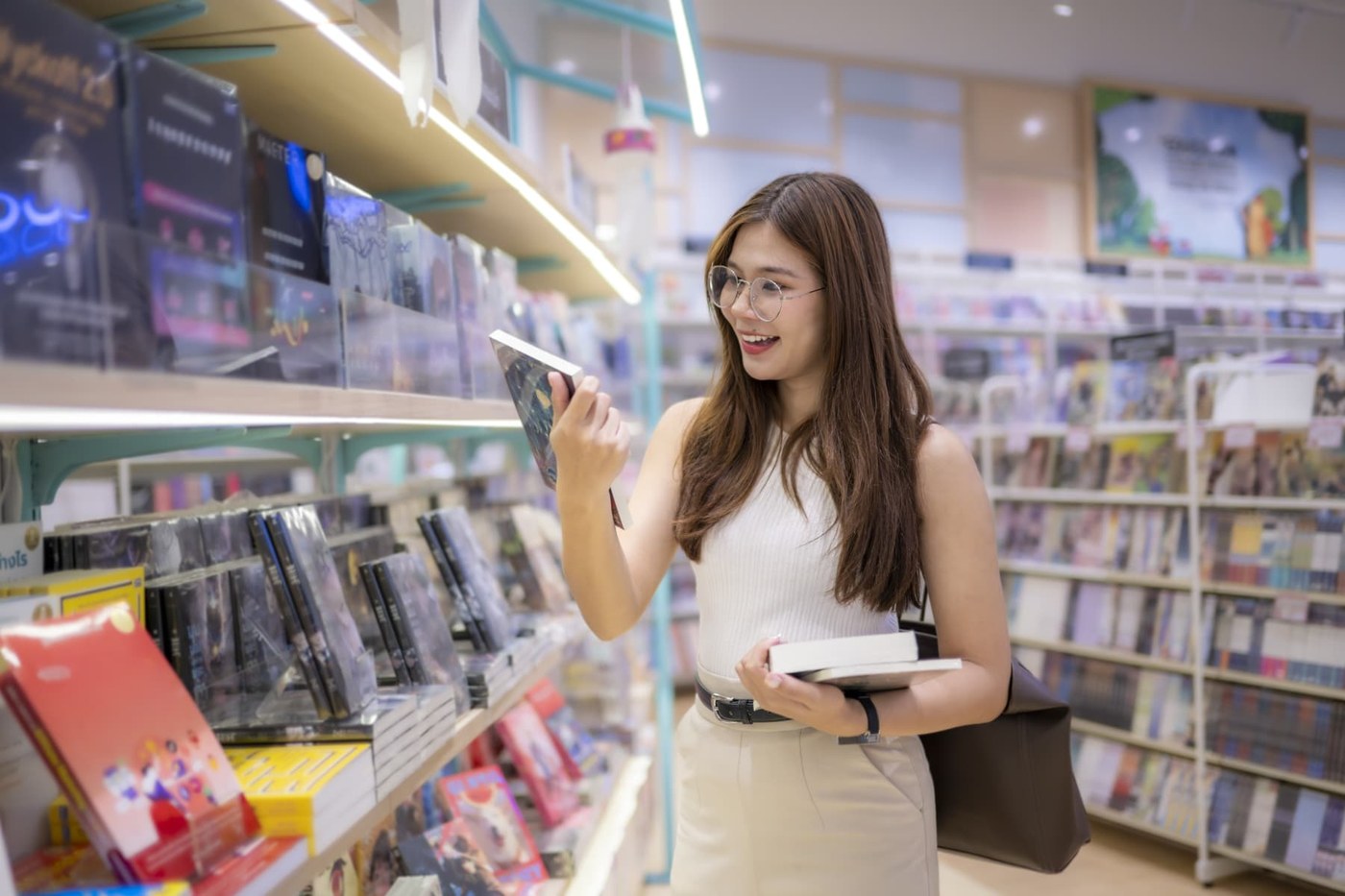
In fact, spending on hobbies, which ranges from arts and crafts and hobby shops to retailers selling skiing, hiking, camping, or scuba diving gear, grew 7.9% in August 2026, year on year, per the bank.
This was double the growth of actual transactions, which were up 3.4%, meaning consumers are making more hobby purchases overall, as well as spending more on those hobbies.
"Funflation is the escalating cost of leisure activities, which is seen across prices from gas for weekend cars to ice creams on holiday," John Gathergood, an economics professor at the University of Nottingham in the U.K., told CNBC.
The latest Bureau of Labor Statistics' Consumer Price Index data found that the recreation index, which includes video and audio, pets and pet services, sporting goods, photography and recreational reading, rose 2.7% in the 12 months through August.
Meanwhile, sales at sporting goods, hobby, musical instrument, and book stores rose 10.7% in the 12 months through August, outpacing the 6% increase in total U.S. retail and food-services sales over the same period, according to the U.S. Census Bureau's Advance Monthly Retail Trade Report.
"When prices rise, consumers might substitute between activities," Gathergood said. "More hobbies at home might replace holidays away. More food made at home might replace eating out. So, people may be spending more on hobbies, but are spending less on other activities the hobbies are replacing."
Travel gets more expensive
The BofA analysts said the bank's card data suggested the growth in "hobby spending" in recent months may be because people are balancing "a shift away from travel due to higher prices from rising fuel costs," as jet fuel prices jumped thanks to the U.S-Iran war. Their analysis excluded travel from its hobby categories.
Jet fuel prices were last $194 per barrel for the week ending Sept. 18, up 116% from the prior year's average, according to the International Air Travel Association's Jet Fuel Price Monitor.
U.S. airfare prices have increased 26.5% year-on-year, according to federal data in August.
"By foregoing travel abroad, consumers can free up substantial amounts of cash to spend on hobbies at home," The University of Nottingham's Gathergood said.
Dan Wasiolek, a senior equity analyst at Morningstar, told CNBC that the Covid-19 pandemic accelerated a shift towards "spending on experiences rather than 'things,'" even as consumer confidence and savings come under pressure.
Wasiolek noted that higher-income families have continued to travel despite higher costs, and regular Americans also said they'd spend on travel over the summer period.
They planned to spend an average of nearly $2,900 on travel in the summer, according to a PWC survey in April of over 2,000 adults. Some 71% of respondents said they expect to spend the same or more than the previous summer.
Gen Z versus millennials
The BofA analysis found that older millennials spent the most on hobbies in the three months to August, spending more than double per consumer than Gen Z, the cohort BofA identified as spending the least.
"To us, this suggests that these generations are likely gravitating most of their spending toward less expensive hobbies like arts, crafts, and board games," the analysts wrote. "It's also possible that this reflects a shift to more 'granny core' activities like knitting, sewing, or baking."
The BofA analysis found big growth in per-person video-game spending across age groups in the 12 months to August, with even Gen Z, the generation with the smallest increase, spending 20% more.